Cusseta, GA Land for Sale: 8.97 Acres on GA Highway 137 with Owner Financing
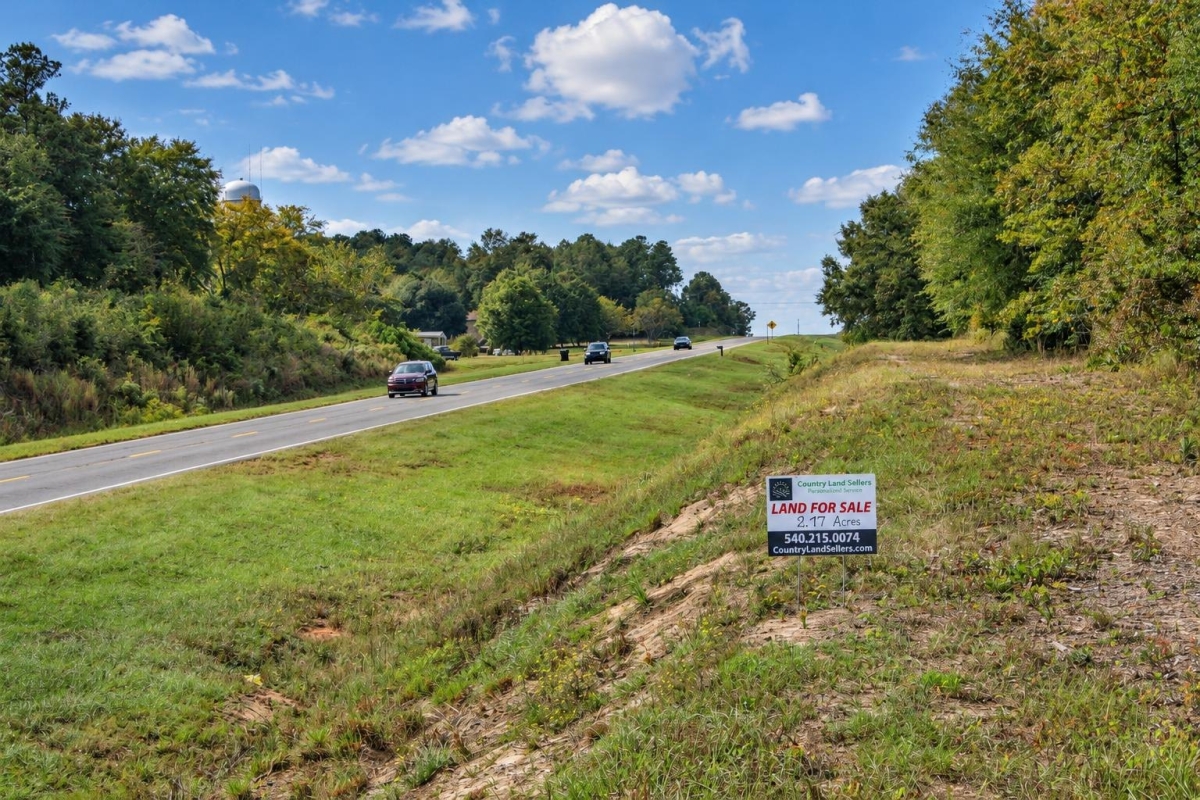
If you are looking for Georgia acreage that is more than a small residential lot, this Chattahoochee County offering deserves a close look. The draw is straightforward: meaningful acreage, a residential zoning label in the listing, paved-road access noted on a state highway, and an owner-finance option for buyers who do not want to start with a conventional land loan.
This is property LC27230, an 8.97-acre parcel at 412 Georgia 137 in Cusseta, Georgia 31805. The parcel number is 00120-00000-083-000, the legal description is Lot 108 and 109, Sandy Spring Subdivision, and the cash price shown is $49,900. Owner financing is also listed at a $49,900 headline price with $2,495 down and $680.12 per month for 120 months at 12% interest, plus the stated doc and servicing fees.
The listing reports R-1 Residential District zoning, paved road access on GA Highway 137, public water available, electric at the street, and septic needed. Those are important starting facts, not final approvals. A buyer should verify zoning standards, legal access, utility connection details, septic feasibility, flood status, taxes, title, and any restrictions before closing or planning construction.
Property snapshot for LC27230
The most useful way to read this parcel is as a residential land candidate with several promising listing-reported features and several items that still need confirmation from local records, utility providers, and qualified professionals.
Use this number for assessor, GIS, tax, deed, and title research so you are checking the right property.
This is enough land to think about site layout, privacy, driveway placement, and septic location, subject to actual boundaries and county rules.
The address and county identify which local offices should be used for property records, zoning, permits, access, and tax checks.
The subdivision reference makes it especially important to search for recorded covenants, easements, setbacks, or private restrictions.
This suggests a residential context, but allowed uses, minimum standards, setbacks, and permit requirements must be confirmed locally.
These are practical positives if confirmed, but availability does not mean tap fees, driveway approval, or septic approval are already resolved.
Buyers should compare both the upfront requirement and the long-term payment obligation before choosing the financing path.
Have a title company or closing attorney review deed implications, title status, and the current county tax bill before purchase.
Cusseta and Chattahoochee County setting
Cusseta is the local reference point for this Chattahoochee County parcel, and the county context matters because land-use questions are answered locally. Tax records, zoning interpretation, subdivision restrictions, driveway access, and septic review should all be checked through the appropriate county or local offices before a buyer commits to a building plan.
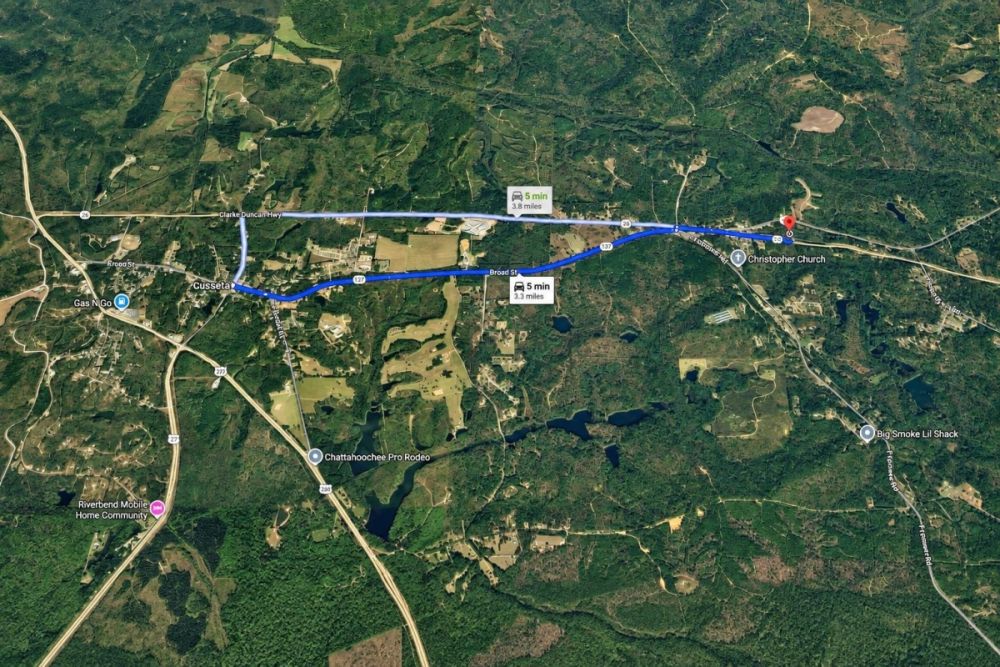
Parcel-specific facts place the property at 412 Georgia 137, with road access listed on GA Highway 137. That helps with orientation, but it should not replace a survey, a county parcel record search, or confirmation that a legal and permitted driveway location exists.
For records research, the Georgia Department of Revenue points buyers toward the county property-record pathway, and FEMA is the official source for mapped flood-hazard information. Georgia environmental and watershed resources may also be useful if site conditions, drainage, creeks, buffers, or water-related constraints become part of the review.
Best buyer fit and realistic use possibilities
This parcel is best suited for a buyer who wants acreage in a residential setting and is comfortable doing due diligence before building. The size, listed R-1 zoning, paved-road access note, and utility availability note make it more practical to investigate than many remote raw-land parcels, but none of those items eliminates the need for local approvals.
The most realistic uses are residential in nature, subject to Chattahoochee County rules, subdivision restrictions, driveway approval, utility connection requirements, septic feasibility, flood mapping, and site conditions. Buyers should avoid spending on house plans, clearing, or improvements until the major feasibility questions are answered.
- Future single-family homesite investigation, subject to R-1 standards, setbacks, permits, septic approval, and confirmed access.
- Acreage for a buyer who wants more space around a future residence, provided the usable area and boundaries support the intended layout.
- Longer-term land hold while the buyer completes survey, title, utility, septic, and permitting research.
- Residential accessory, garden, or open-space uses only if allowed by zoning, recorded restrictions, and utility or environmental constraints.
Due diligence checklist before you buy
A good land purchase depends on what you verify, not just what the listing says. For this parcel, the key checks are practical and specific: confirm the identity of the property, then work through zoning, access, utilities, septic, flood, survey, and title before closing.
Pull the county parcel record
Use parcel number 00120-00000-083-000 to confirm acreage, owner of record, assessed value, tax status, legal description, and any notes in the county property-record system.
Confirm zoning and subdivision rules
Ask the local planning or zoning office what R-1 Residential District allows here, including minimum lot size, setbacks, frontage, accessory structures, manufactured-home rules if relevant, and whether Sandy Spring Subdivision has recorded restrictions.
Verify legal and physical access
Road access is listed as paved road on GA Highway 137. Confirm that the parcel has legal access, usable frontage, no access conflicts, and any required driveway or road-encroachment approval.
Get utility answers in writing
The listing says public water is available and electric is at the street. Contact the applicable providers to confirm availability, distance, tap or meter fees, extension costs, easement requirements, and service timelines.
Evaluate septic feasibility early
Because septic is needed, contact the county environmental health office or a qualified septic professional about soil testing, setbacks, drain-field location, and whether any prior septic approval exists.
Check flood and environmental constraints
Use the property address or coordinates to review official flood mapping, then look for drainage, wetlands, stream buffers, or watershed-related limits that could affect the usable portion of the land.
Order or review a survey
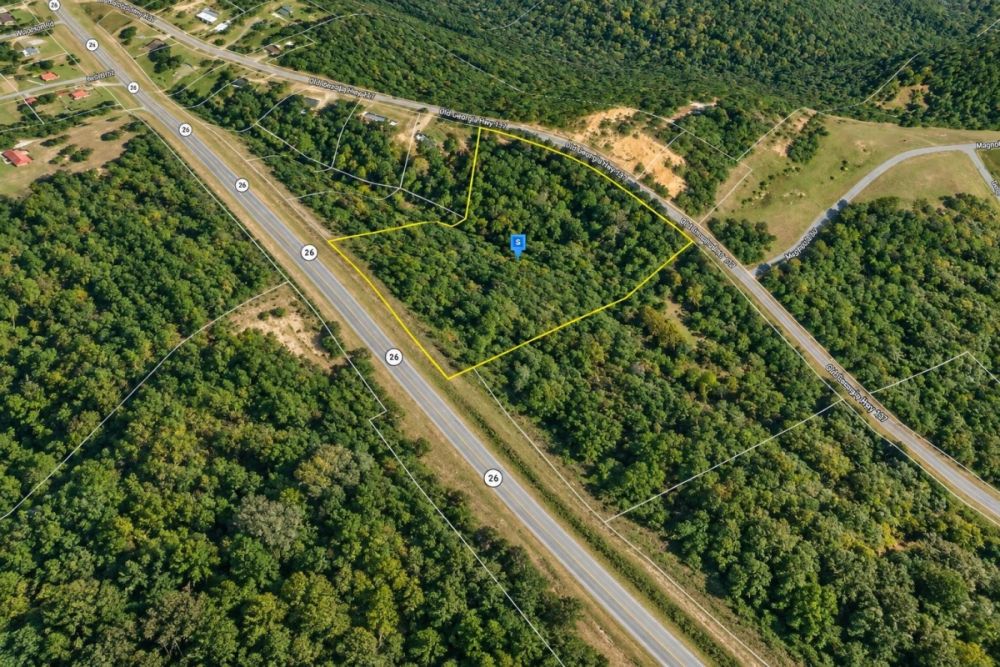
Parcel maps and aerial outlines are useful for orientation, but a survey is the stronger tool for property lines, encroachments, easements, driveway planning, and future site work.
Review title and deed details
The listing shows a Special Warranty Deed. Have a title company or closing attorney review title status, liens, easements, deed language, and closing documents so you understand what is being conveyed.
For flood-risk verification, FEMA’s Flood Map Service Center is the official public source to search by address or coordinates and review mapped flood-hazard information. Use it alongside local records rather than relying only on listing images or third-party maps.
Owner financing terms and budget questions
The listing offers a $49,900 cash price and an owner-finance option with the same headline price. The stated financing terms are $2,495 down and $680.12 per month for 120 months at 12% interest, plus a $100 non-refundable doc fee at checkout and an $18 per month loan servicing fee.
Owner financing can reduce the need for a traditional land loan, but it does not replace a careful review of the purchase contract. Buyers should understand when title transfers, what happens after default or late payment, whether early payoff is allowed, and which costs are due outside the monthly payment.
Also budget beyond the payment itself. Taxes, title work, recording, survey, insurance if required, utility taps or extensions, driveway work, septic testing and installation, clearing, and permits can all affect the real cost of making land usable.
- Is the $304.60 tax figure current, and who pays taxes during the financing term?
- Does title transfer at closing or only after the note is paid in full?
- Is there any prepayment penalty or discount for early payoff?
- What late fees, default rules, and cure periods apply?
- Who pays for survey, title work, recording fees, utility connections, septic testing, and permits?
- Are there any restrictions on improving or occupying the property before the financing is paid off?
How to compare this parcel with other Georgia land
Use this property as a baseline: 8.97 acres in Cusseta, $49,900 asking price, listed R-1 zoning, paved-road access noted on GA Highway 137, public water availability noted, electric at the street noted, septic needed, and owner financing available. Then compare other parcels by the same facts rather than by price alone.
The strongest comparisons will consider verification quality. A smaller lot may have lower total cost but less flexibility; a larger rural tract may offer more acreage but require more work on access, utilities, water, and septic. A parcel with better documentation can be worth a closer look even if its headline price is not the lowest.
For financing-focused buyers, compare down payment, monthly payment, interest rate, term length, fees, title-transfer timing, and restrictions during the payment period. Seller financing terms can vary as much as the land itself.
Questions buyers may ask about this property and area
Bottom line for buyers
This 8.97-acre Cusseta parcel has several buyer-friendly ingredients: a defined parcel number and address, a residential zoning label in the listing, paved-road access noted on GA Highway 137, public water and electric availability noted, and seller financing terms that are clearly stated. For a buyer seeking Chattahoochee County residential acreage, those facts make it worth serious investigation.
The caveat is just as important. The listing’s strongest features need confirmation from the right sources before they become dependable purchase assumptions. Zoning must be interpreted locally, access must be legal and usable, utilities must be confirmed by providers, septic must be evaluated on site, and flood or environmental constraints must be checked with official tools.
If those checks support your intended use and the financing terms fit your budget, this parcel could be a practical candidate for residential land planning. If any major item is uncertain, resolve it before closing rather than after you own the land.
If this parcel is close to what you want but you are still calibrating budget, location, or terms, compare it with other affordable acreage and owner-financed options before you buy cheap land so you can judge access, utilities, taxes, and development steps side by side.
Review the full Cusseta land listing
See the current status, complete photo gallery, seller details, checkout path, and financing prompts for LC27230 before deciding on next steps.
Buyer resources to keep open
Keep the parcel number, county property records, local zoning office, environmental health office, utility providers, surveyor, title company, and FEMA flood tools in your due-diligence workflow.
You Might Like

Top 7 Tips for Developing Raw Land
Few things are more satisfying and rewarding than standing on your own piece of land. Investing in land gives you a sense of security, pride and independence. But security and...

Where to Find Affordable Acreage in North Florida
North Florida is home to some of the most populous cities in the state, and boasts a favorable climate that attracts snowbirds and tourists each year. While youll find cheap...

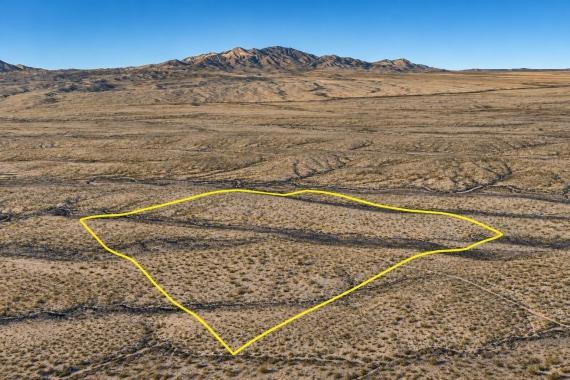
Joshua Tree, CA Land for Sale: 10 Acres with JT/RL Zoning and Owner Financing
A 10-acre Joshua Tree parcel with JT/RL zoning, dirt-road access, and owner financing—plus key checks before you buy.